
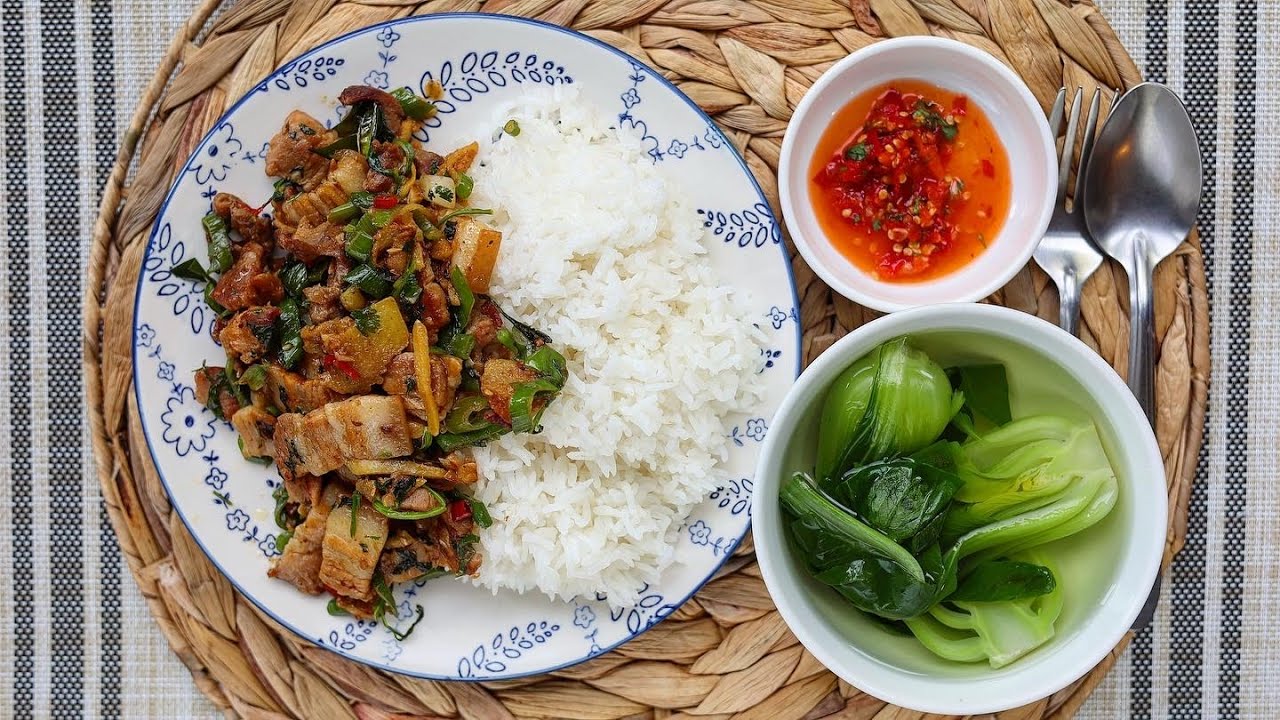
The Twin Cities has one of the largest Hmong communities in the United States, and Hmong cuisine — rooted in the highlands of Laos and Vietnam — has a distinct culinary vocabulary that is worth understanding. Shuang Hur is one of the few grocery stores in Minnesota that stocks authentic Hmong ingredients reliably.
Key Ingredients in Hmong Cooking
Fresh Herbs
- Hmong cooking relies heavily on fresh herbs, often used as both aromatics and table garnishes:
- Culantro (saw-tooth herb / ngo gai) — a strongly flavored cousin of cilantro with serrated leaves. Used in soups and braises.
- Dill — used extensively in Hmong fish dishes, particularly steamed fish with dill and lemongrass.
- Perilla (shiso) — used fresh in salads and as a wrapper.
- Vietnamese coriander (rau ram) — a different plant from regular cilantro, with a sharper, slightly lemony flavor.
Vegetables
- Long beans — used stir-fried, in curries, and raw as a side.
- Bitter melon — common in stir-fries with eggs or pork.
- Taro — used in soups and desserts.
- Mustard greens — both fresh and pickled (suan cai) used extensively.
Proteins
- Pork offal — Hmong cooking uses the whole animal; liver, intestine, and blood are common.
- Catfish — popular for steaming with herbs.
- Freshwater fish varieties
A Simple Entry Point: Hmong Dipping Sauce (Kua Txob)
One of the most approachable introductions to Hmong flavor is the chili-herb dipping sauce served alongside grilled meats. Combine fresh Thai chilies, garlic, cilantro, green onion, fish sauce, lime juice, and a small amount of sugar. Blend or pound coarsely. Serve with grilled pork shoulder or sticky rice.
All ingredients for this sauce are available at Shuang Hur’s fresh produce and condiment sections.

Leave A Comment