
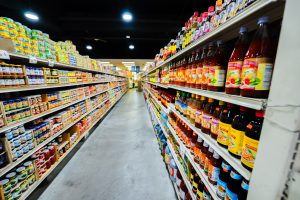
If you’ve never shopped at a dedicated Asian grocery store, the first visit can feel disorienting — labels in multiple languages, unfamiliar produce, an overwhelming sauce aisle. Here’s a practical guide to making the most of a trip to Shuang Hur or any pan-Asian grocery in the Twin Cities.
Navigate the Store Layout
Most large Asian grocery stores are organized by category rather than cuisine: produce along one wall, a meat and seafood counter at the back, dry goods in the middle aisles, frozen foods along another wall, and a large condiment section. At Shuang Hur, the live seafood tanks are near the seafood counter — easy to spot.
Start with the Produce Section
The produce at a dedicated Asian grocery is often fresher and more varied than mainstream grocery stores, and significantly cheaper. Even if you’re not cooking Asian food, the bok choy, gai lan, yu choy, and Asian eggplant are excellent substitutes in everyday cooking. Pick things up, look for firmness and vibrant color, and don’t be afraid to ask staff what something is.
The Sauce Aisle: A Beginner’s Starting Point
Start with these five items and you’ll be able to make dozens of dishes:
- Fish sauce (any brand — start with Tiparos or Megachef)
- Soy sauce (Pearl River Bridge or Lee Kum Kee)
- Oyster sauce (Lee Kum Kee Premium)
- Sesame oil (small bottle — a little goes a long way)
- Rice vinegar
Ask Questions
Staff at Shuang Hur are knowledgeable and accustomed to questions about unfamiliar ingredients. The butcher counter staff can advise on cuts for specific dishes. Don’t hesitate to ask.
Bring More Money Than You Think You Need
Asian grocery stores are typically 20–40% cheaper than mainstream supermarkets on produce, proteins, and condiments. Most first-time shoppers end up buying far more than they planned. That’s a feature, not a bug.

Leave A Comment